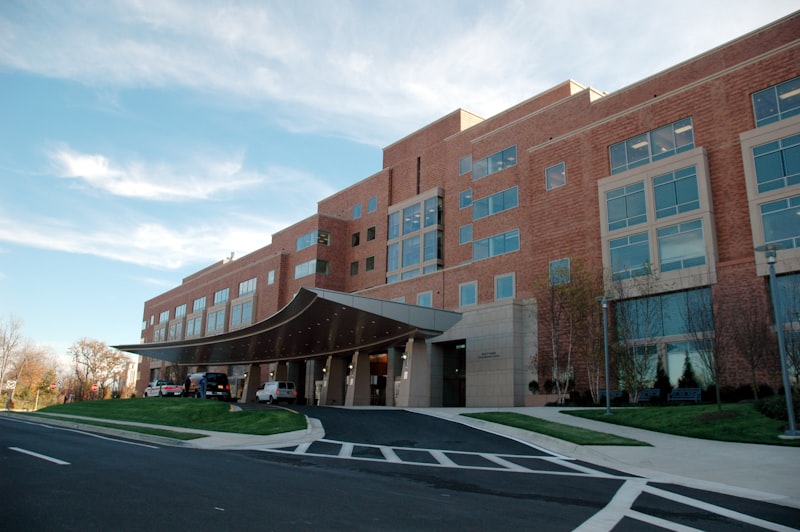
A hospital is a space where people come seeking relief, comfort, and care during some of the most vulnerable moments of their lives. The environment within a hospital — its layout, spatial flow, and directional alignment — can quietly influence the overall experience of patients, the well-being of medical and support staff, and the smooth functioning of daily operations.
Hospital Vastu consultation examines how the premises are oriented, how critical areas such as the main entrance, reception, patient wards, operation theatres, ICU, pharmacy, administrative offices, and waiting areas are positioned, and where the natural flow of energy may be obstructed. Through a careful physical visit and detailed observation, we assess each zone to understand what may be supporting or hindering the hospital's atmosphere and functioning.
Our approach is rooted in practical corrections and mindful adjustments rather than disruptive renovations. The aim is to bring balance and calm to your hospital space so that it nurtures a supportive atmosphere for recovery, reduces stress for staff, and creates a sense of reassurance for visitors and families.
Hospital administrators and healthcare professionals sometimes experience recurring concerns that may appear unrelated but can often be traced to spatial imbalances within the premises. Here are some common issues we address.
Every hospital is unique in its layout and functioning. Our consultation process is thorough, personalised, and grounded in on-site observation — not generic advice.
We begin with a detailed conversation to understand the hospital's history, the nature of its services, current concerns, and what the administration hopes to achieve. This helps us prepare for a focused and meaningful assessment of the premises.
A thorough on-site visit is conducted to observe the hospital premises first-hand. We walk through every area — the main entrance, reception, patient wards, operation theatres, ICU, pharmacy, diagnostic rooms, administrative offices, waiting areas, and utility spaces — recording observations about layout, orientation, and usage of each zone.
We carefully assess the directional alignment of key functional areas, analyse how different zones interact, and evaluate the flow of movement and energy across the hospital. This includes examining the placement of patient care areas, surgical zones, water and fire element locations, waste management areas, and staff stations.
Based on our observations, we identify spatial imbalances and areas where the current configuration may be working against natural energy principles. Every finding is documented clearly and explained to the hospital management in straightforward, practical terms.
We provide actionable, practical corrections tailored to your hospital's specific layout and constraints. Our recommendations focus on achievable adjustments — repositioning key elements, rearranging functional zones, and minor modifications — rather than disruptive structural changes. You receive a clear plan that can be implemented at your pace without interrupting hospital operations.
A well-aligned hospital space can positively influence many aspects of its environment and operations. Here's what our clients commonly experience.
When patient care areas are aligned with supportive directional principles, the atmosphere tends to feel calmer and more conducive to rest and recovery, contributing to a more reassuring experience for patients and families.
A balanced environment can contribute to reduced fatigue, better focus, and a more supportive atmosphere for doctors, nurses, and support staff — helping them perform their duties with greater ease and composure.
Addressing spatial alignment of administrative, clinical, and utility zones can help streamline workflows, reduce coordination issues, and support smoother day-to-day hospital operations.
Proper alignment of waiting areas, corridors, and patient rooms can foster a sense of calm and reassurance for visitors and families, helping them feel more at ease during an inherently stressful time.
A Vastu-aligned hospital naturally fosters a lighter, more positive atmosphere — reducing the sense of heaviness that can sometimes pervade healthcare settings and creating a space that feels more welcoming and hopeful.
Correcting Vastu imbalances in zones associated with prosperity can help create conditions that support healthier financial management, improved reputation, and steady growth for the hospital.
Yes. A physical site visit is a core part of our consultation process. Observing the hospital first-hand allows us to assess the layout, directions, zones, and how spaces are actually used — which is essential for providing accurate and meaningful guidance tailored to your specific premises.
Our approach focuses on practical, achievable adjustments. In most cases, we recommend repositioning key elements, rearranging functional zones, or minor modifications that can be implemented without disrupting hospital operations or patient care. Structural changes are rarely necessary.
Absolutely. Whether you operate a multi-speciality hospital, a small clinic, a nursing home, or a diagnostic centre, Vastu principles are relevant to all types of healthcare facilities. Each consultation is tailored to the specific nature, scale, and layout of your premises.
Yes. While it is ideal to consider Vastu during the planning stage, most of our consultations are for existing, operational healthcare facilities. We work within the constraints of your current structure and suggest corrections that are feasible without major renovations or disruption to services.
No. Vastu consultation is not a substitute for medical treatment and does not guarantee specific health or medical outcomes. What it aims to do is create spatial conditions that support a calmer, more balanced environment — which can complement the care and treatment being provided by medical professionals.
Reach out to us for a personalised Hospital Vastu consultation. We're here to help you create a more balanced, calm, and supportive healthcare environment.